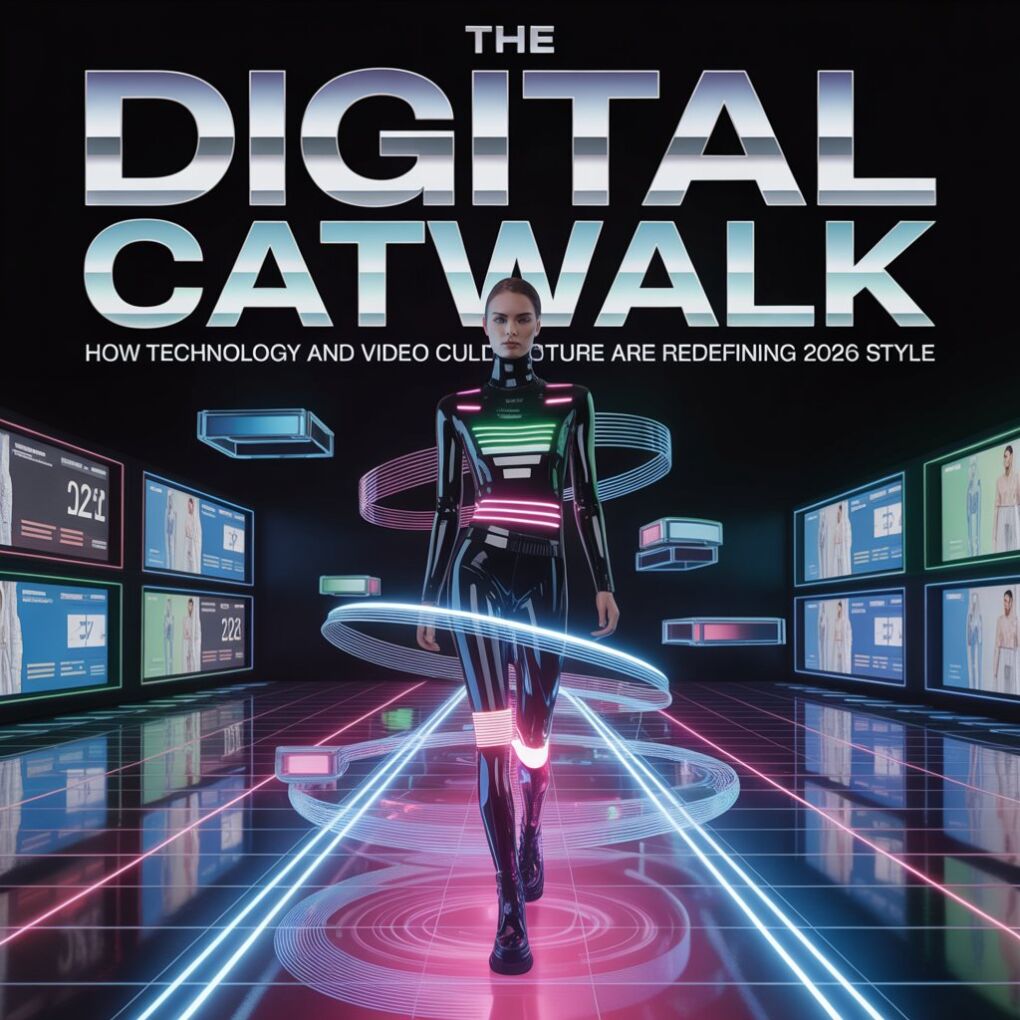
The global fashion landscape in 2026 is no longer defined solely by the physical garment or the seasonal calendar. We have entered an era where style is experienced through screens long before it is ever worn on the body. This shift toward a digital-first reality has transformed the industry into a high-velocity ecosystem where creativity, data, and video culture intersect to shape what we call modern lifestyle. As the world navigates the complexities of digital transformation and a heightened focus on sustainability, the way we consume and create fashion has become as important as the clothes themselves.
The Rise of the Video-Centric Wardrobe
In today’s fast-paced environment, the traditional runway show has evolved from an exclusive industry event into a global digital spectacle. Platforms like YouTube and TikTok have become the primary venues for fashion discovery, allowing everyone from a design student in Seoul to a trend researcher in New York to witness the latest couture collections in real-time. This democratization of access has fundamentally changed how trends are born and disseminated.
Modern consumers are no longer content with static imagery. They crave the movement of fabric, the narrative of a designer’s vision, and the behind-the-scenes reality of the creative process. This demand for immersive storytelling has led to a surge in high-quality video content, including 3D lookbooks, virtual try-ons, and long-form fashion documentaries that explore the heritage of iconic houses like Chanel or the avant-garde experiments of emerging labels.
Digital Tools for the Modern Creative
For the professionals driving the industry forward, the ability to manage and curate this vast sea of digital inspiration is a critical skill. Designers and social media strategists often spend hours analyzing runway footage, street-style vlogs, and technical tutorials to refine their own aesthetic or plan their next campaign. In this context, specialized digital utilities have become indispensable. For instance, a reliable YouTube converter is a subtle yet powerful tool in a researcher’s kit. By converting video analysis or historical fashion archives into portable formats, students and professionals can study garment construction or trend patterns offline, ensuring their creative flow remains uninterrupted by the vagaries of connectivity.
These tools allow a stylist to capture the exact drape of a vintage Dior gown from an old interview or a marketer to archive a viral styling hack for future reference. It is a practical example of how “deep tech” and simple digital convenience support the larger creative industry, enabling a more organized and thoughtful approach to design in an age of information overload.
Sustainability and the Circular Revolution
Beyond the screen, the fashion world of 2026 is deeply engaged with the global movement toward sustainability and circularity. What was once a niche concern has become a strategic imperative. Driven by both consumer demand and new international regulations, brands are pivoting toward regenerative materials and transparent supply chains. We are seeing the commercial scaling of “bio-fabricated” textiles, such as mycelium leather and algae-based fibers, which offer a glimpse into a more responsible future for luxury.
The secondary market has also reached a turning point. Resale and rental models are now mainstream, with major department stores dedicating floor space to pre-owned collections. This shift reflects a broader change in consumer psychology: the desire for “newness” is being replaced by an appreciation for quality, longevity, and the story behind the piece. In 2026, a garment’s resale value is considered at the point of purchase, turning fashion into a more conscious investment rather than a disposable whim.
The Era of Agentic AI and Personalization
Technology’s influence extends into the very act of shopping. The rise of agentic AI has introduced a new level of personalization, where digital assistants act as personal shoppers who understand a user’s intent, mood, and ethical preferences. Instead of scrolling through thousands of items, a shopper can ask for a sustainably sourced outfit for a specific event, and the AI will curate a selection that fits their style and values.
This “human-first” approach to technology aims to reduce the friction of the modern shopping experience while fostering a deeper emotional connection between the brand and the consumer. It is about moving away from one-size-fits-all marketing toward a world where fashion feels uniquely tailored to the individual’s life and identity.
Craftsmanship in a High-Tech World
Interestingly, as technology becomes more pervasive, there is a parallel revival of traditional craftsmanship. In a saturated digital market, the “hand-made” has become a new form of luxury. Designers are increasingly highlighting artisanal techniques like natural dyeing, hand-embroidery, and slow-weaving. This “slow fashion” movement provides a necessary counterbalance to the speed of digital culture, offering pieces that feel grounded, authentic, and culturally resonant.
The most successful brands in 2026 are those that manage to balance these two worlds: utilizing cutting-edge digital tools to enhance efficiency and storytelling, while maintaining a deep respect for the physical craft and the planet. They understand that while a trend might start on a split-screen in a viral video, its true value lies in how it makes the wearer feel in the real world.