Few wardrobe essentials have maintained their relevance across generations like sweaters. From cozy winter layers to fashionable statement pieces, sweaters have become a staple in both casual and professional wardrobes. As fashion trends continue to evolve, consumers increasingly look for clothing that balances comfort, durability, and style. This shift has encouraged brands and manufacturers to innovate in fabric selection, design flexibility, and production techniques.
Today’s sweater market is no longer limited to seasonal basics. Modern consumers seek versatile knitwear that works across different occasions—from relaxed weekends to polished office looks. In response, manufacturers are developing new knitting technologies, offering customized designs, and improving fabric quality to meet growing expectations.
For retailers, designers, and fashion-conscious consumers alike, understanding the craftsmanship and versatility behind quality knitwear helps explain why sweaters remain one of the most enduring pieces in the global apparel industry.
Women’s Sweaters: Style Meets Comfort
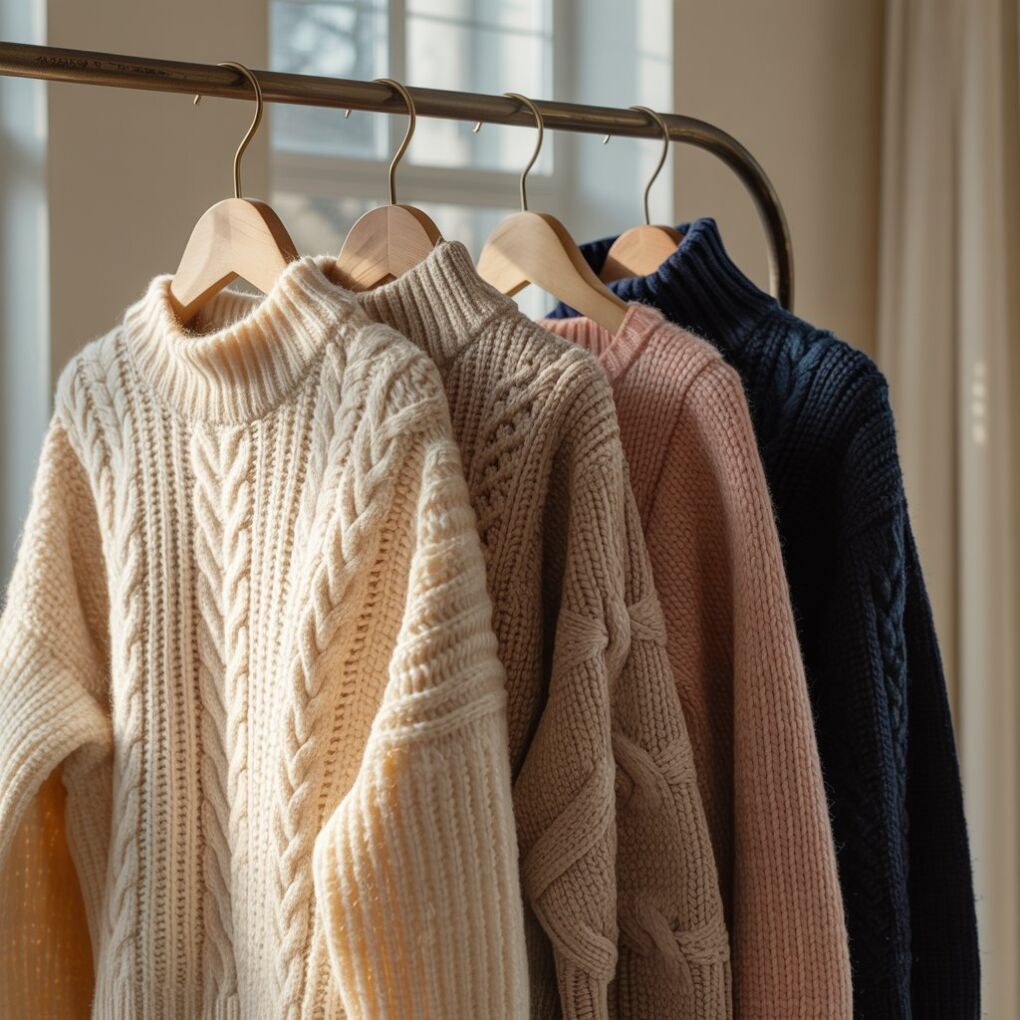
Women’s sweaters have evolved far beyond simple winter layers. Today, they are central pieces in fashion collections, offering versatility that allows them to transition seamlessly between seasons and occasions.
Designers often focus on combining comfort with elegant silhouettes. From oversized knits and cropped styles to fitted cardigans and lightweight pullovers, women’s sweaters offer countless styling possibilities. Soft yarns such as cotton blends, wool, and cashmere provide warmth while maintaining breathability, making them suitable for both cool evenings and chilly winter days.
Another key trend is layering. Sweaters pair effortlessly with dresses, skirts, jeans, and tailored trousers, allowing wearers to create multiple looks with a single piece. Neutral tones remain popular for everyday wear, while bold colors and textured patterns continue to dominate seasonal collections.
Behind these stylish garments are specialized manufacturing processes that ensure durability and quality. Many fashion brands collaborate with experienced producers like sweater factory partners who specialize in large-scale knitting production while maintaining design precision and fabric consistency.
This collaboration between designers and manufacturers helps deliver sweaters that combine aesthetic appeal with long-lasting performance.
Men’s Sweaters: Versatility for Every Occasion
Men’s sweaters have long been valued for their practicality, but modern designs have significantly expanded their style potential. Today’s knitwear blends classic tailoring with contemporary aesthetics, making it suitable for both casual and semi-formal settings.
One of the reasons men’s sweaters remain popular is their adaptability. A lightweight crewneck can be worn over a collared shirt for a polished office look, while thicker knit styles provide warmth during colder months. V-neck sweaters, cardigans, and half-zip designs also offer different styling options depending on the occasion.
Fabric choice plays a crucial role in men’s knitwear. Wool and merino wool remain common for their insulation and softness, while cotton blends are favored for lightweight comfort. Advances in knitting technology now allow manufacturers to create breathable, stretch-friendly fabrics that improve fit and durability.
Minimalist design continues to dominate men’s fashion, with solid colors, subtle textures, and clean lines leading the trend. These understated designs ensure sweaters remain timeless pieces that complement nearly any wardrobe.
As a result, many brands now treat men’s knitwear as a year-round essential rather than a seasonal product.
Baby Sweaters: Comfort and Care in Every Stitch
When it comes to children’s clothing, comfort and safety are the top priorities. Baby sweaters, in particular, require careful attention to fabric softness, skin sensitivity, and durability.
Babies have delicate skin, which means knitwear must be produced using gentle, breathable materials. Cotton, organic yarns, and hypoallergenic blends are commonly used to create sweaters that keep infants warm without causing irritation. Lightweight knitting techniques also ensure flexibility so babies can move freely.
Parents increasingly appreciate personalized clothing options for children, especially when purchasing gifts or preparing for special occasions. Customization allows families to select unique colors, patterns, or embroidered details that reflect personal style.
Manufacturers have responded to this growing demand by offering specialized services, including custom baby sweater production that focuses on safe materials, precise sizing, and child-friendly designs.
This attention to detail ensures baby sweaters are not only adorable but also practical for everyday wear, making them a popular choice for parents and gift-givers alike.
The Growing Demand for Quality Knitwear
The global knitwear market continues to expand as consumers prioritize comfort-driven fashion. Sweaters have become an essential part of this trend, thanks to their ability to combine practicality with timeless design.
One major factor driving growth is sustainability. Modern consumers are increasingly aware of how clothing is produced, encouraging manufacturers to adopt eco-friendly materials and responsible production methods. Recycled fibers, organic cotton, and energy-efficient knitting technologies are gradually becoming industry standards.
Another important trend is customization. Fashion brands and retailers are seeking manufacturing partners that can deliver flexible design options, allowing them to respond quickly to changing consumer preferences. Small-batch production, private labeling, and custom patterns have become valuable services within the knitwear sector.
Additionally, digital design tools now allow manufacturers to produce intricate knit patterns with greater accuracy. This innovation has helped brands create distinctive collections while maintaining consistent quality.
Together, these developments highlight how the sweater industry continues to evolve while preserving the craftsmanship that defines high-quality knitwear.
Conclusion
Sweaters remain one of the most reliable and versatile garments in the fashion industry. From stylish women’s knitwear to practical men’s designs and soft baby sweaters, knit garments serve multiple roles across different age groups and occasions.
Their lasting popularity stems from a combination of comfort, adaptability, and evolving design possibilities. Advances in knitting technology, sustainable materials, and customization services are helping manufacturers meet modern consumer expectations while maintaining traditional craftsmanship.
As the demand for quality knitwear continues to grow, collaboration between designers, retailers, and skilled manufacturers will play an important role in shaping the future of sweater production. For fashion brands and consumers alike, investing in well-made sweaters ensures long-term value, timeless style, and reliable comfort in every season.
Tags:
#sweater #sweaterfactory #womensweater #customsweater