In today’s competitive apparel market, design is no longer just about fabric and fit—it’s about the details that elevate a garment from ordinary to exceptional. Trimmings play a crucial role in defining the identity, functionality, and perceived value of clothing. From delicate lace edges to structured bindings, these small components often carry significant design weight.
As fashion trends shift toward customization and premium finishes, brands and manufacturers are placing greater emphasis on trims to differentiate their products. However, understanding how and why to use them effectively remains a challenge for many designers and sourcing professionals. This article explores the core functions of trimmings in garments, highlighting their importance in both aesthetics and performance.
Enhancing Aesthetic Appeal
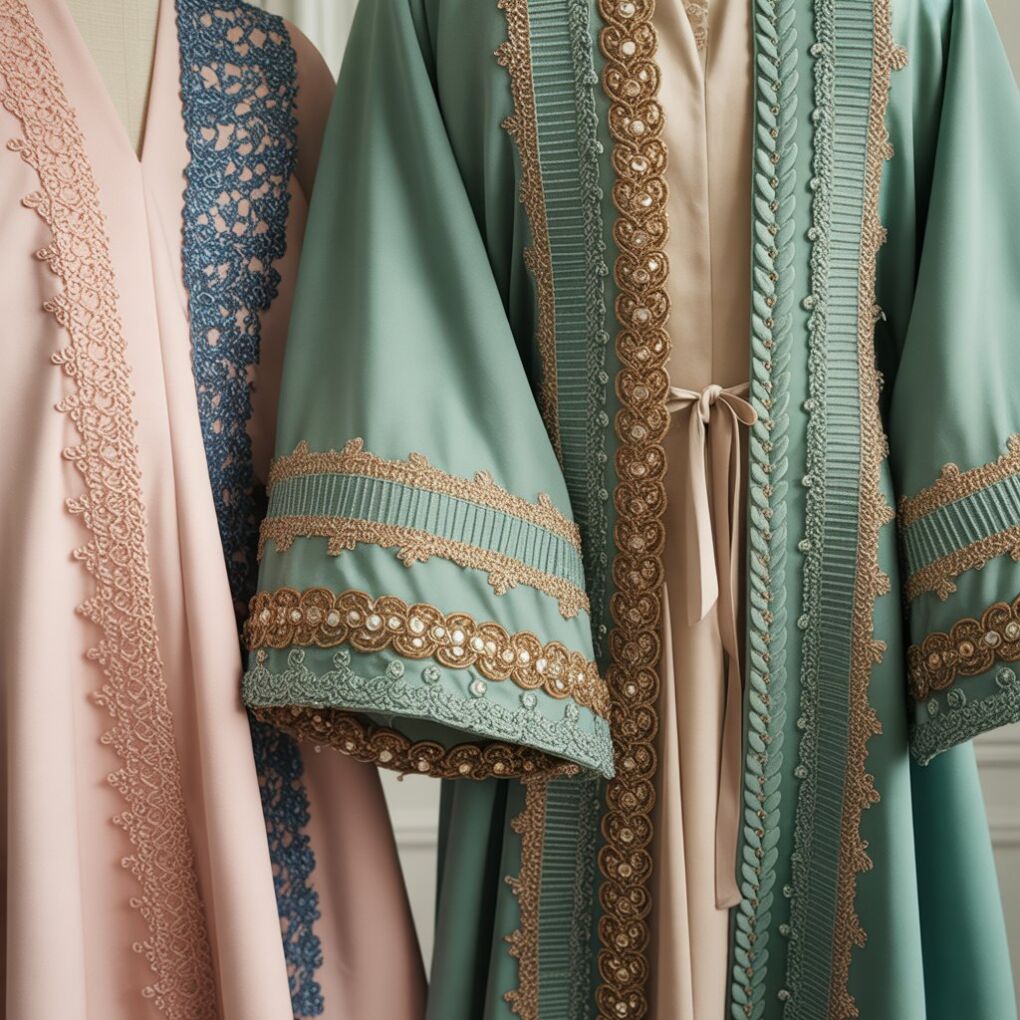
One of the most obvious functions of trimmings is their ability to enhance the visual appeal of garments. Decorative elements such as lace, ribbons, piping, and embroidery can transform a simple design into something eye-catching and unique. These details help create texture, contrast, and depth, making garments more attractive to consumers.
For instance, lace trims are widely used in dresses, lingerie, and formal wear to add elegance and sophistication. Designers often rely on high-quality materials sourced from specialized providers like Lightspot Trim to ensure consistency and premium finishing. The right trim can reinforce a brand’s identity, whether it leans toward minimalism or intricate detailing.
Beyond decoration, trims also help highlight specific areas of a garment, such as necklines, sleeves, or hems. This targeted enhancement draws attention and creates a balanced overall design, which is essential in modern fashion.
Improving Garment Structure and Durability
Trimmings are not just about looks—they also play a vital structural role in garments. Elements like interlinings, bindings, and tapes provide reinforcement to areas that experience frequent stress, such as seams, collars, and cuffs.
For example, seam tapes can prevent stretching and distortion, ensuring that garments maintain their shape over time. Similarly, edge bindings protect fabric from fraying, extending the life of the clothing. These functional trims are especially important in workwear, activewear, and outerwear, where durability is a key requirement.
By integrating the right trimmings, manufacturers can improve product quality without significantly increasing production costs. This balance between performance and efficiency is critical for brands aiming to meet both consumer expectations and industry standards.
Adding Functional Value
In addition to structure, trimmings contribute directly to the functionality of garments. Items such as zippers, buttons, hooks, and elastic bands enable ease of wear, adjustability, and comfort.
Elastic trims, for instance, are essential in waistbands and cuffs, allowing garments to adapt to different body shapes. Similarly, lace trims can serve dual purposes—offering both decorative appeal and flexibility in design. Many designers now explore specialized options like lace trim for dresses to achieve a balance between elegance and practicality.
Functional trims also enhance user experience. Features like drawstrings, Velcro closures, and reinforced fastenings make garments more versatile and user-friendly. In today’s market, where consumers value convenience as much as style, these details can significantly influence purchasing decisions.
Supporting Brand Identity and Differentiation
Trimmings are powerful tools for branding and product differentiation. In a crowded marketplace, small design details can set a brand apart from competitors. Unique trims, custom patterns, and signature finishes help create a recognizable identity.
Luxury brands, for example, often use distinctive trims to convey exclusivity and craftsmanship. Even in mass production, consistent use of specific trims can reinforce brand recognition. This is particularly important for businesses looking to build long-term customer loyalty.
Moreover, trims can reflect current fashion trends, allowing brands to stay relevant without redesigning entire collections. By updating trims, designers can refresh existing styles and adapt to seasonal demands efficiently.
Enhancing Comfort and Wearability
Comfort is a critical factor in garment design, and trimmings contribute significantly to it. Soft linings, smooth bindings, and flexible trims ensure that garments feel good against the skin and allow ease of movement.
Poorly chosen trims can cause irritation or restrict movement, negatively impacting the overall user experience. On the other hand, well-designed trims enhance wearability by providing support and flexibility where needed.
For example, soft lace trims used in intimate apparel not only add beauty but also ensure comfort. Similarly, breathable and lightweight trims are essential in activewear to maintain performance and comfort during physical activity.
Conclusion
Trimmings may seem like minor components, but their impact on garment design is substantial. They enhance aesthetics, improve structure, add functionality, and contribute to brand identity—all while influencing comfort and durability.
As the fashion industry continues to evolve, the role of trimmings is becoming even more significant. Designers and manufacturers who understand how to use these elements effectively can create products that stand out in both quality and design.
Looking ahead, innovation in materials and customization will further expand the possibilities of garment trims. For professionals in the apparel industry, investing in the right trimming strategies is not just an option—it’s a necessity for long-term success.