Have you ever stood in front of your closet, holding what looks like two nearly identical tops, completely stumped about whether you’re looking at a blouse or a shirt? You’re not alone. In today’s fashion landscape where gender lines blur and styles constantly evolve, understanding the subtle yet significant differences between a blouse vs shirt is crucial for building a versatile, intentional wardrobe. While these terms are often used interchangeably, they represent distinct categories with unique histories, constructions, and styling potentials.
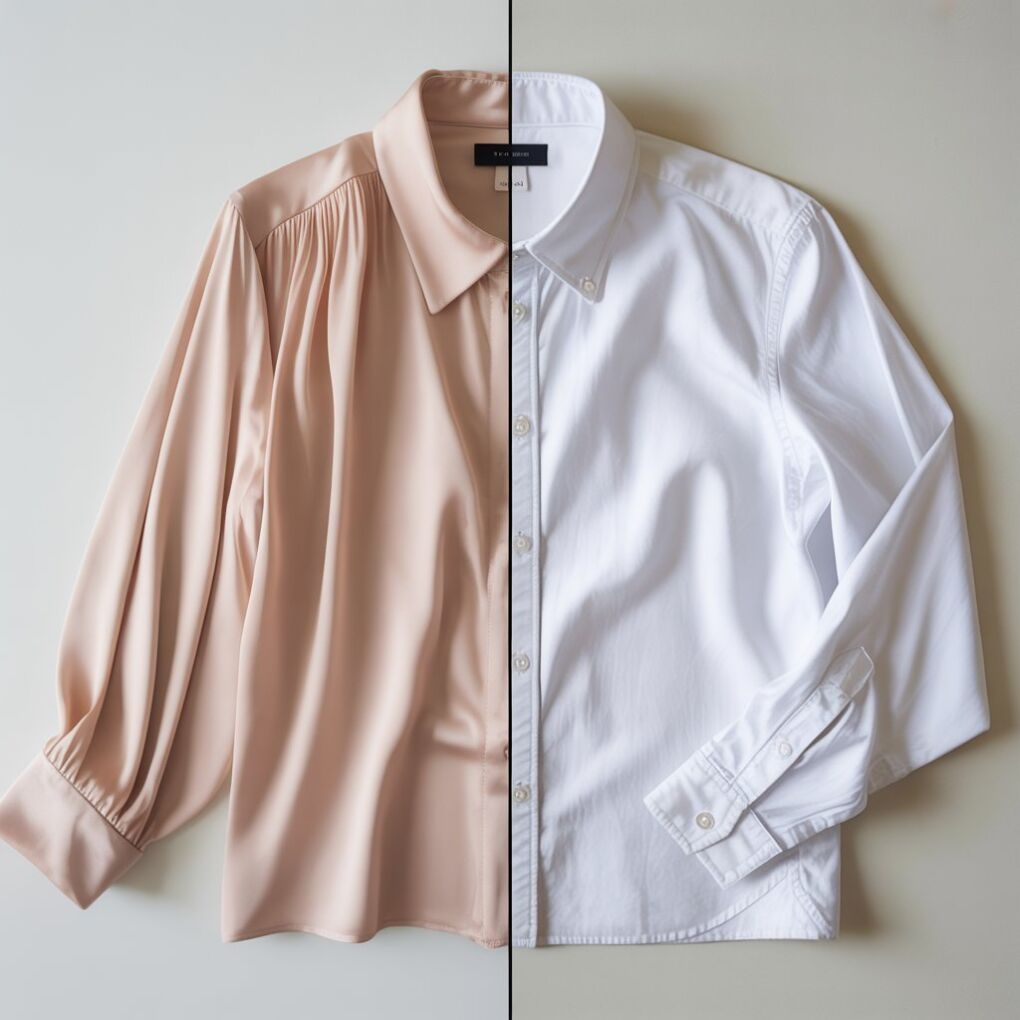
A blouse is typically a loose-fitting, feminine top often featuring delicate fabrics and decorative elements like ruffles, lace, or embroidery. In contrast, a shirt generally refers to a more structured garment with crisp tailoring, full button fronts, and clean lines. The difference might seem subtle at first glance, but recognizing these distinctions can transform how you approach everything from office dressing to weekend brunches. Knowing when to reach for a flowy silk blouse versus a tailored button-down can elevate your entire aesthetic and ensure you’re dressed appropriately for any occasion.
Understanding the shirt vs blouse differences matters because it empowers you to make intentional choices that align with your personal style and the message you want to convey. Is today a board meeting day requiring polished professionalism? Or a creative brainstorming session where soft, artistic expression takes center stage? Your top choice sets the tone. In this comprehensive guide, we’ll break down the 10 key differences between blouses and shirts, explore current styling techniques, and help you determine which should dominate your closet based on your lifestyle. Whether you’re shopping for affordable blouses online or investing in quality shirt tailoring, this guide will help you build a wardrobe that works as hard as you do.
From Victorian Origins to Modern Wardrobes: The Evolution of Blouses and Shirts
The story of blouses and shirts is a fascinating journey through fashion history that reveals much about societal changes and evolving gender norms. The term “blouse” traces its roots to the French word blouson, meaning a loose, smock-like top originally worn by 19th-century laborers and artisans. As sizechart.net explains, these practical garments evolved into feminine fashion staples during the late Victorian era when women began adopting more comfortable, less restrictive clothing. The early 20th century saw blouses become symbols of women’s liberation as they replaced corsets and restrictive bodices, offering freedom of movement that paralleled women’s growing social and professional independence.
Shirts, meanwhile, have an even longer history dating back to ancient civilizations, deriving from the Old English word scite. Originally unisex undergarments, shirts gradually became gendered as fashion evolved. The modern button-down shirt emerged in the late 19th century as menswear, only crossing into women’s fashion during the 1920s when Coco Chanel and other designers began incorporating tailored pieces into women’s wardrobes. This marked a significant shift toward androgynous styling that would continue to evolve throughout the 20th century.
Fast forward to today, and the lines between these categories have beautifully blurred. Contemporary fashion celebrates gender fluidity, with women confidently wearing traditionally masculine shirts and men embracing blouse-like tops with flowing silhouettes. According to sewingtrip.com, modern interpretations have expanded both categories far beyond their original definitions. The 2026 fashion landscape shows particularly interesting developments: sustainable fabrics are revolutionizing blouse fabrics, with organic cottons and Tencel blends replacing traditional synthetics, while oversized, gender-neutral casual shirts for women have become streetwear staples. Designers are also playing with hybrid styles that blend elements of both categories—think structured blouses with crisp collars or flowy shirts with delicate ruffles. This evolution reflects our current cultural moment where personal expression trumps rigid fashion rules, making it more important than ever to understand the foundational differences between these wardrobe essentials.
Blouse vs Shirt: The 10 Defining Differences You Need to Know
Understanding the nuanced differences between blouses and shirts goes beyond simple semantics—it’s about recognizing how these distinctions impact your style, comfort, and professional presentation. Let’s dive deep into the 10 key differences that separate these wardrobe staples:
| Feature | Blouses | Shirts |
|---|---|---|
| Fit & Silhouette | Loose, flowy (e.g., peasant blouses, oversized blouses) | Structured, tailored (e.g., button-down shirts women) |
| Fabrics | Lightweight like chiffon, silk blouses, cotton voile | Crisp like oxford, chambray shirts, denim |
| Collars/Neckline | Often collarless or soft (V-neck, off-shoulder) | Structured collars (spread, point) |
| Closures | Buttons, ties, pullover | Full button placket |
| Occasions | Casual, boho, date nights | Formal blouses alternative for office, professional |
| Design Elements | Ruffles, lace, embroidery, bows | Minimalist, clean lines |
| Sleeve Styles | Puffed, bishop, bell sleeves | Straight, cuffed, rolled sleeves |
| Body Emphasis | Drapes over curves | Defines waist and shoulders |
| Gender Association | Primarily feminine | Historically unisex/masculine |
| Care Requirements | Often delicate (dry clean) | Typically machine washable |
1. Fabric Composition and Texture
Blouses typically embrace blouse fabrics that prioritize drape and movement over structure. As noted by mindylewislifeinside.com, “blouses often feature softer, more delicate fabrics like silk or chiffon, with intricate details like ruffles, lace, or” embellishments. These materials create that signature flowy silhouette that moves with your body. In contrast, shirts favor crisp, structured textiles like oxford cotton, poplin, and chambray that maintain their shape throughout the day—essential for professional settings where polished appearance matters.
2. Construction and Tailoring
The construction differences are where the shirt vs blouse differences become most apparent. Shirts feature precise tailoring with darts, shoulder seams, and structured yokes that create clean lines. Blouses, however, often employ simpler construction with fewer seams, allowing the fabric to drape naturally. This explains why a well-tailored shirt maintains its shape when untucked, while a blouse typically flows more organically.
3. Collar Design Philosophy
Collars tell the story of each garment’s purpose. Shirts almost always feature structured collars—spread, point, or button-down styles that stand away from the neck, creating that sharp professional look. Blouses frequently forgo traditional collars entirely or use soft, unstructured versions that frame rather than define the face. When blouses do feature collars, they’re often Peter Pan styles or delicate lace trims that soften rather than sharpen the appearance.
4. Button Configuration
While both may have buttons, their placement and purpose differ significantly. Shirts typically feature a full button placket extending from collar to hem—a functional element designed for complete closure. Blouses often have partial button fronts (only down to the waist or chest) or use buttons primarily as decorative elements rather than functional closures. Many contemporary blouses have replaced buttons entirely with tie closures, pullover designs, or asymmetrical openings.
5. Intended Silhouette
This is perhaps the most crucial distinction: blouses are designed to flow over the body, creating a soft, relaxed silhouette that minimizes body contours. Shirts, conversely, are engineered to follow the body’s natural lines, creating a more defined, polished appearance. As styleweekender.com puts it: “A blouse brings softness and flow, often highlighted with feminine touches and creative designs, while a shirt delivers structure and sharpness with crisp fabric.”
6. Formality Spectrum
While both categories span casual to formal, their natural inclinations differ. Shirts inherently lean toward professional settings—the classic button-down is office wear’s backbone. Blouses naturally gravitate toward creative or social environments, though structured silk blouses can certainly work in formal business settings. The key is understanding that a shirt’s formality comes from its structure, while a blouse’s formality derives from its fabric and details.
7. Styling Flexibility
Blouses offer more creative styling possibilities—they can be knotted, tucked asymmetrically, or layered under sweaters in ways that would compromise a shirt’s intended look. Shirts follow more established styling rules: fully tucked for maximum professionalism, partially tucked for smart casual, or left untucked with precise hemlines for relaxed settings.
8. Cultural and Historical Context
As noted by sumissura.com, “blouses embody the spirit of feminine versatility—they’re the poetry of a wardrobe, turning the everyday into the extraordinary with just a whisper of lace or a flourish of fabric.” This historical association with feminine expression contrasts with shirts’ origins in practical, gender-neutral workwear that later became associated with masculine professionalism.
9. Sleeve Variations
Blouse sleeves often feature dramatic details—puffed shoulders, bishop cuffs, or bell shapes that add visual interest. Shirt sleeves tend toward simplicity with straight cuts, functional button cuffs, and clean lines that maintain professionalism. While both categories now offer diverse sleeve options, the styling intent differs: blouse sleeves emphasize creativity, while shirt sleeves prioritize function.
10. Care and Maintenance
This practical difference affects long-term wardrobe planning. Most formal blouses made from delicate fabrics require dry cleaning or gentle hand washing, while many casual shirts for women are machine-washable and wrinkle-resistant. This care distinction influences how frequently you can wear each piece and their overall cost per wear.
Quick Reference: When to Choose Blouse vs Shirt
- Choose a blouse when: You want softness, creative expression, comfort, or a feminine aesthetic
- Choose a shirt when: You need structure, professionalism, clean lines, or versatility across settings
- Hybrid option: Structured silk blouses or flowy linen shirts work for transitional occasions
Mastering the Mix: Styling Tips for Blouses and Shirts in 2026
Now that you understand the fundamental differences between blouses and shirts, let’s explore how to style them for maximum impact across various settings. The right styling can transform a basic top into the foundation of an unforgettable outfit.
Casual Chic: Everyday Outfit Formulas
For relaxed weekend vibes, oversized blouses are your secret weapon. Try this foolproof formula: pair a flowy peasant blouse in lightweight cotton with high-waisted mom jeans and minimalist sandals. The contrast between the blouse’s soft drape and the jeans’ structured fit creates visual interest without trying too hard. For cooler days, layer a sheer boho blouse over a camisole and add a denim jacket—the transparency adds dimension while keeping the look effortless.
When styling casual shirts for women, the key is intentional deconstruction. Instead of the traditional full tuck, try the “French tuck” (tucking just the front center while leaving sides loose) with your favorite chambray shirt and tailored shorts. Add woven belt and espadrilles for that perfect California-cool aesthetic. For a trend-forward look, embrace the 2026 oversized shirt trend by selecting a men’s cut one size up, rolling the sleeves twice, and pairing with bike shorts and chunky sneakers—a streetwear-inspired ensemble that’s equal parts comfortable and stylish.
Office Elegance: Professional Power Looks
In professional settings, your top choice sends a powerful message about your personal brand. For corporate environments, reach for a structured silk blouse in neutral tones like ivory or pale blue. Tuck it into high-waisted trousers and add a tailored blazer—the softness of the blouse balances the formality of the suit, creating approachable authority. According to sewingtrip.com, “blouses celebrate curves with decorative elements like lace and ruffles, while shirts provide clean lines and tailored fits that work across all professional settings.”
For creative industries or business casual environments, button-down shirts shine when styled with intention. Try an unexpected color like deep emerald or terracotta with wide-leg trousers and heeled loafers. Leave the top button undone and roll the sleeves precisely to the elbow for that perfect balance of polished and personable. For a modern twist on the classic office look, pair a crisp white shirt with a matching suit in a slightly relaxed fit—this monochromatic approach feels fresh and fashion-forward.
Evening Enchantment: Date Night and Special Occasions
When transitioning from day to night, formal blouses become your best friend. A satin wrap blouse with delicate lace trim transforms instantly when paired with leather-look leggings and strappy heels—sophisticated yet modern. For dinner dates, try a black halter blouse with a dramatic back detail under a tailored tuxedo jacket; the contrast between masculine and feminine elements creates unforgettable visual tension.
Shirts can also shine in evening settings with creative styling. Select a luxe fabric like silk or satin in an unexpected color (think metallic gold or deep plum) and pair with a sequined pencil skirt. Leave the shirt untucked but knot it precisely at the waist to define your silhouette. As styleweekender.com suggests, “choose flowing blouses for dinner dates and casual elegance that feels effortless.”
Pro Styling Secrets You Need to Know
- The Tuck Test: Not all tops should be tucked the same way. Blouses look best with partial or asymmetrical tucks that maintain their flowy nature, while shirts require precise, full tucks for maximum professionalism.
- Layering Logic: Blouses work beautifully under cardigans and open jackets where their softness can peek through. Shirts shine when layered under structured pieces like blazers or vests that complement their clean lines.
- Accessory Alignment: Delicate jewelry enhances blouses’ feminine details, while statement pieces anchor shirts’ structured silhouettes. A single bold cuff works with shirts; multiple delicate chains complement blouses.
- Fabric Harmony: Pair flowy boho blouses with structured bottoms (tailored pants, pencil skirts) and crisp shirts with softer bottoms (wide-leg trousers, flowing skirts) for balanced proportions.
- Seasonal Shifts: In summer, lightweight linen shirts become summer shirt styles perfect for hot days. For winter, layer thermal-weave blouses under chunky knits—just ensure the blouse fabric isn’t too bulky.
For those building their wardrobe on a budget, affordable blouses online from retailers like H&M and Uniqlo offer quality options under $50. Look for sales on end-of-season styles to score investment pieces at accessible prices.
Your Blouse vs Shirt Buying Guide: How to Choose What’s Right for You
Selecting between a blouse and shirt shouldn’t feel overwhelming—it’s about understanding your lifestyle needs and personal aesthetic. Here’s a practical framework to guide your decisions:
Body Type Considerations
- Curvy figures: Flowy oversized blouses in V-neck styles create elongating lines, while structured shirts in stretch fabrics accommodate curves without clinging
- Athletic builds: Blouses with ruching or peplum details add feminine curves, while shirts with subtle waist darts create definition
- Petite frames: Avoid overwhelming proportions with cropped blouses or short shirts that hit at natural waistline
- Tall silhouettes: Embrace dramatic sleeves on blouses or extra-long shirt styles that showcase your height
Seasonal Strategy
Your climate should influence fabric choices significantly. For hot summers, prioritize breathable blouse fabrics like cotton voile, linen blends, or lightweight rayon—these keep you cool while maintaining shape. In winter, look for thermal-weave blouses or flannel shirts that provide warmth without bulk. Transitional seasons call for versatile pieces like chambray shirts or medium-weight knit blouses that layer beautifully.
Budget Breakdown
Invest strategically based on frequency of wear:
- Under $50: Casual cotton shirts and basic knit blouses for everyday wear
- $50-$100: Quality silk blouses and non-iron dress shirts for frequent professional use
- $100+: Investment pieces like organic silk blouses or custom-tailored shirts for special occasions
The Ultimate Checklist Before You Buy
- Try movement: Raise your arms, twist at the waist—does the garment restrict motion?
- Check sleeve variations: Are cuffs functional? Do sleeves hit at flattering points?
- Test layering potential: Will it work under your favorite cardigan or blazer?
- Assess care requirements: Can you maintain this properly, or will it become unwearable?
- Evaluate versatility: Can you style this three different ways for three different occasions?
According to sizechart.net, “Whether you’re a fashion enthusiast or simply updating your wardrobe, this post will help you choose the perfect top for any occasion.” Remember that the most valuable pieces in your wardrobe are those you reach for repeatedly—not necessarily the most expensive ones.
2026’s Must-Know Trends and Care Tips for Long-Lasting Tops
This year’s fashion landscape brings exciting developments for both blouses and shirts that blend style with sustainability. Leading the charge are sustainable oversized blouses crafted from innovative eco-fabrics like Tencel™ lyocell and recycled polyester blends that drape beautifully while minimizing environmental impact. Gender-neutral shirt designs are also gaining serious traction, with brands offering unisex cuts that celebrate individual expression over traditional gender binaries.
When it comes to care, modern fabrics require updated maintenance approaches. For shirt tailoring, the secret to longevity lies in proper washing techniques: always button shirts before laundering to maintain shape, wash in cold water on gentle cycles, and hang immediately to dry. For delicate blouse fabrics like silk and chiffon, consider eco-friendly dry cleaning alternatives or hand washing with specialized detergents. Steam rather than iron formal blouses to preserve delicate fibers—many modern fabrics are designed to release wrinkles with proper hanging.
The most significant trend for 2026 isn’t about specific styles but rather a mindset shift: consumers are prioritizing quality over quantity, seeking fewer, better-made pieces that last. This means investing in well-constructed wardrobe essentials that transcend seasonal trends. As sumissura.com notes, “the blouse stands out with its potential for intricate details—be it lace, pleats, or delicate buttons—each adding a layer of personality and flair.”
Final Thoughts: Building a Balanced Top Collection
Understanding the blouse vs shirt differences isn’t about rigid categorization—it’s about recognizing how each style serves different purposes in your wardrobe ecosystem. Blouses bring softness, creativity, and feminine expression, while shirts deliver structure, professionalism, and timeless versatility. The most stylish women don’t choose one over the other; they master the art of balancing both.
Your ideal wardrobe contains a strategic mix: a few crisp button-down shirts for those high-stakes professional moments, several boho blouses for creative expression, and a couple of hybrid pieces that bridge the gap for transitional occasions. Remember that the most powerful fashion statements come from intentional choices aligned with your personal brand and daily needs.
Which top will you reach for today? Share your preference in the comments below—blouse lover or shirt devotee? For more fashion styling tips, check out our guide to Women’s Blouse Styles for Every Season and discover how to maximize your wardrobe’s potential. Don’t forget to pin your favorite outfit ideas to Pinterest and share this guide with a friend who’s been confused about shirt vs blouse differences!