Have you ever stood in front of your closet staring at a sea of tops, wondering, “What is a blouse anyway, and why does it deserve prime real estate in my wardrobe?” You’re not alone. With fashion terms getting tossed around carelessly (“It’s a blouse!” “No, it’s a shirt!” “Wait, is it just a top?”), even seasoned style lovers get confused. Let’s clear the air: what is a blouse exactly? Simply put, it’s a lightweight, feminine upper garment typically crafted from delicate fabrics like silk, chiffon, or soft cotton, designed to drape elegantly while offering versatility from boardroom to brunch. Unlike basic tees or structured button-downs, blouses often feature thoughtful details—ruffles, pleats, unique necklines—that elevate them beyond ordinary tops. This isn’t just another piece of clothing; it’s your secret weapon for looking polished with minimal effort. Whether you’re building a capsule wardrobe or just want to understand why that flowy top costs $80, we’ve got you covered. From its surprising origins to the best blouses for women in 2024, we’ll explore how this humble garment became a non-negotiable staple. Ready to transform your style IQ? Let’s dive in.
The Blouse Definition: What Makes a Top a Blouse?
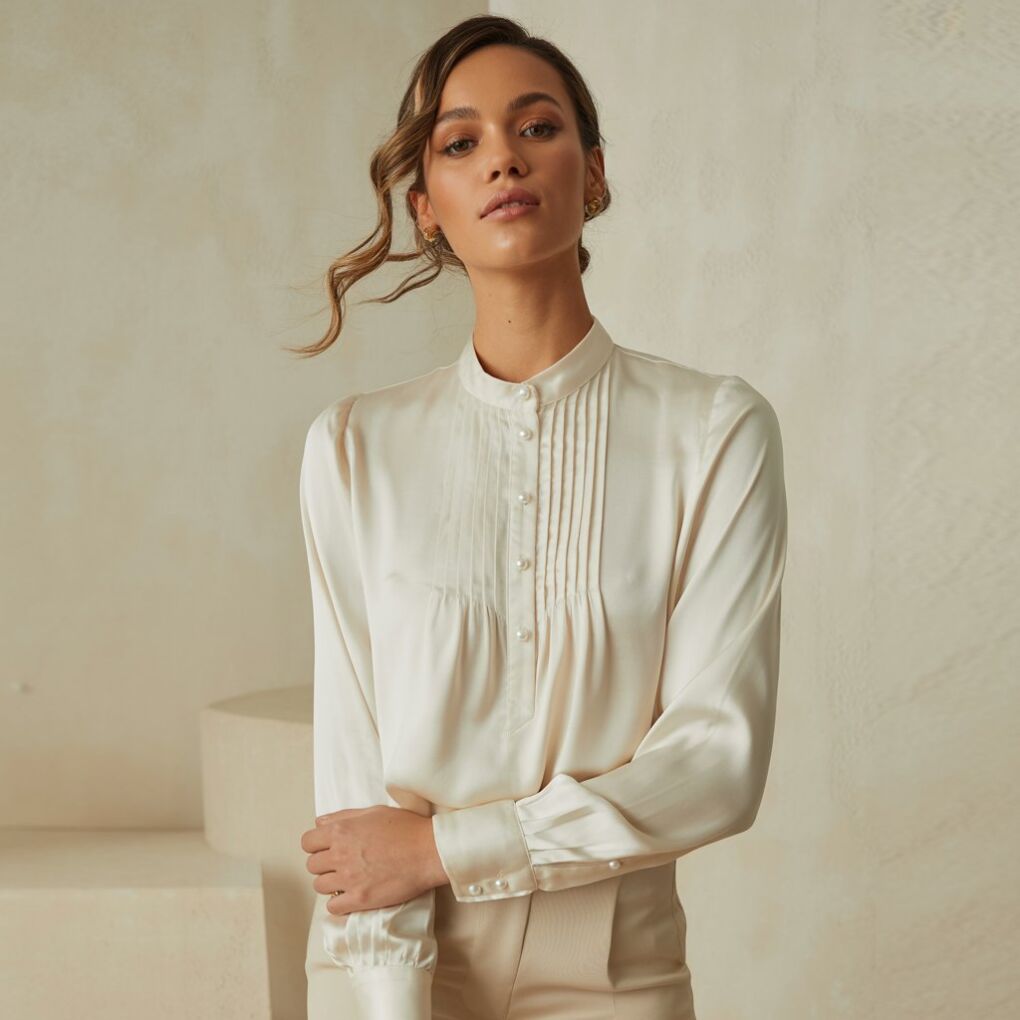
So, what is a blouse beyond just “that pretty top”? The term traces back to the French word “blouson,” originally describing a loose-fitting worker’s smock in 19th-century Europe. Today, a blouse is defined as a feminine upper garment distinguished by its lightweight fabrics (think silk, chiffon, or breathable cotton), decorative elements (ruffles, embroidery, pleats), and fluid silhouette that skims the body rather than clinging tightly. Crucially, it’s designed as outerwear—not underwear—which separates it from camisoles or chemises. While some argue blouses must be pullovers without buttons (as suggested by stitchfix.com), modern fashion has evolved. Contemporary blouses can include buttons (like a classic silk blouse with a half-placket), but they’re typically softer, less structured, and more ornamental than shirts. The key differentiator lies in intent: blouses prioritize artistry and movement, while shirts emphasize crisp functionality.
Let’s clarify the blouse vs shirt confusion once and for all. A shirt (like an Oxford button-down) is inherently structured—think stiff collars, uniform button plackets, and fabrics like twill or poplin designed for durability. Blouses, per fazbuy.com, lean into “soft, flowy fabrics that enhance femininity” with details like hidden zippers or asymmetrical hems. Even a “button-down blouse” differs from a shirt: it might use delicate mother-of-pearl buttons, feature a curved hem, or incorporate sheer panels. Meanwhile, a generic “top” is an umbrella term for any upper-body garment (tank tops, crop tops), but blouses specifically evoke intentionality—they’re crafted to be seen and styled thoughtfully.
| Feature | Blouse | Shirt |
|---|---|---|
| Fit | Loose, flowy | Tailored, structured |
| Fabric | Sheer, delicate (silk, chiffon) | Sturdy cotton/twill |
| Occasion | Casual to formal | Professional |
| Details | Ruffles, pleats, unique necklines | Minimal embellishment |
For example, a crisp cotton button-down worn with a suit is a shirt, but swap it for a silk version with bishop sleeves and a pussy-bow neck—it instantly becomes a blouse. Understanding this distinction helps you shop smarter and style with confidence. Whether you’re hunting for affordable blouses under $50 or investing in heirloom-quality pieces, recognizing these nuances ensures you’ll always pick the right garment for the moment.
A Brief History of the Blouse: From Victorian Era to Modern Fashion
The blouse’s journey from utilitarian smock to wardrobe icon mirrors women’s liberation itself. In the 1850s, as noted by fazbuy.com, early blouses emerged as loose-fitting cotton tunics worn by European peasants—practical, unadorned, and purely functional. But everything changed in the 1890s when the “shirtwaist” blouse revolutionized women’s fashion. Replacing restrictive corsets, these tailored cotton blouses (paired with long skirts) symbolized newfound freedom, allowing women to work, cycle, and vote. Iconic suffragettes like Susan B. Anthony wore them as uniforms of progress. Fast forward to the 1920s: flapper-era blouses embraced shorter hemlines and dropped waists, often made from silky georgette to complement beaded dresses. The 1940s brought utilitarian gingham blouses during WWII, while the 1960s saw the peasant blouse boom—a direct nod to fashion-era.com’s description of “simple blouses with elastic at the waist and sleeves” that embodied hippie-era bohemianism.
By the 1980s, power blouses (think oversized sleeves and bold shoulders) became synonymous with corporate feminism, epitomized by Diane Keaton’s Annie Hall look. The 2000s ushered in low-rise jeans paired with cropped peasant blouses, but post-pandemic fashion has redefined the blouse for comfort-chic. As urbanoutfitter.org observes, today’s blouses balance “centuries-old tradition” with “cutting-edge style”—like sustainable Tencel™ wrap blouses worn with bike shorts. Influencers like Aimee Song prove its timelessness, styling vintage silk blouses with modern cargo pants. Key milestones in the blouse’s evolution:
- 1850s: First worker’s smocks in Europe
- 1890s: Shirtwaist blouses empower suffragettes
- 1960s: Peasant blouses dominate boho fashion
- 1980s: Power blouses signal corporate rise
- Today: Crop and puff-sleeve revivals merge nostalgia with sustainability
This chameleon-like adaptability explains why the blouse remains indispensable. It’s not just clothing—it’s a cultural artifact that evolves with us, whether we’re closing deals or grabbing lattes. Understanding this blouse history helps you appreciate why that $120 silk number isn’t just fabric—it’s heritage.
Types of Blouses: Find Your Perfect Fit
With so many types of blouses, choosing the right one feels overwhelming—but it doesn’t have to be. Let’s break down the top styles, their best-use cases, and how to wear them flawlessly.
Button-Down Blouse
A hybrid between shirt and blouse, this features a full or partial button placket but uses softer fabrics (like silk or rayon) and relaxed tailoring. Ideal for workwear, it bridges professionalism and femininity. Best for: Apple or rectangle body types. Price: $45-$100 at Everlane. Style tip: Roll sleeves and pair with tailored trousers for “quiet luxury” vibes.
Peasant Blouse
Defined by elastic cuffs, smocked necklines, and billowy sleeves (often “puff” style), this folk-inspired piece channels romance. As fashion-era.com notes, it’s “generally made of soft, breathable materials like linen.” Best for: Hourglass figures. Price: $25-$60 at H&M. Style tip: Tuck into high-waisted jeans with ankle boots for effortless boho.
Off-the-Shoulder Blouse
Bares shoulders with a draped or elastic neckline, offering flirtatious elegance. Best for: Balanced shoulders and arms. Price: $30-$75 at Zara. Style tip: Pair with wide-leg pants to avoid overwhelming your frame.
Ruffle Blouse
Features cascading ruffles along sleeves, necklines, or hems for dramatic movement. Best for: Petite frames (opt for small ruffles). Price: $20-$50 at Amazon. Style tip: Balance volume with slim-fit bottoms—think ruffle blouse + leather leggings.
Crop Top Blouse
Ends above the waistline, often with puff sleeves or tie details. Modernized from 2000s trends, today’s versions prioritize elegance over edginess. Best for: Pear shapes (draws eyes upward). Price: $15-$40 at ASOS. Style tip: Layer under open blazers for office-appropriate crop styling.
Wrap Blouse
Twists across the torso and ties at the waist, creating a flattering V-neckline. Best for: All body types (adjustable fit). Price: $50-$90 at Reformation. Style tip: Wear with midi skirts for date nights—tuck the tie neatly for polish.
Puff Sleeve Blouse
Boasts voluminous sleeves (bishop, leg-o-mutton, or balloon styles) that taper at the wrist. Best for: Narrow shoulders. Price: $35-$80 at & Other Stories. Style tip: Choose muted colors to avoid “costume-y” vibes—cream puff sleeves + black pants = instant chic.
Tuxedo Blouse
Merges formal tuxedo details (satin lapels, peaked shoulders) with blouse softness. Best for: Formal events. Price: $70-$120 at Sakara Style. Style tip: Skip the jacket—wear solo with sequin midi skirts for red-carpet energy.
Bow Blouse
Features a prominent necktie or bow detail (à la Princess Diana’s iconic looks). Best for: Elongating short necks. Price: $40-$95 at COS. Style tip: Opt for self-tie bows over pre-tied for adjustable drama.
Flutter Sleeve Blouse
Has short, flowing sleeves that “flutter” with movement. Best for: Hiding upper-arm fullness. Price: $22-$55 at Mango. Style tip: Pair with boat-necklines to avoid competing necklines.
Pro tip: When shopping affordable blouses under $50, prioritize natural fibers (cotton, linen) for breathability. Avoid polyester blends that pill easily. For sustainable options, check Reformation’s Tencel™ line—they prove eco-friendly can still be luxe.
How to Style a Blouse for Every Occasion
Mastering how to style a blouse unlocks endless outfit potential. Forget “one-and-done” dressing—blouses thrive on layering and adaptability. Here’s your cheat sheet for five foolproof formulas:
1. The Boardroom Boss
For power dressing that doesn’t scream “corporate drone,” pair a silk button-down blouse with tailored trousers and pointed-toe pumps. Tuck it fully, then add a structured blazer. Pro move: Roll sleeves twice to reveal delicate gold cufflinks. This works wonders for pear-shaped bodies—the vertical lines elongate your silhouette. As goelia1995.com advises, “blouses are given a special place in women’s closets” for their ability to “create a variety of images—from strict business to romantic.”
2. Date Night Glam
Swap the LBD for a ruffle blouse tucked into a satin midi skirt. Choose deep hues (burgundy, emerald) for sophistication. Add strappy heels and minimalist jewelry. Body hack: If you have an apple shape, opt for V-neck ruffles to draw eyes downward.
3. Weekend Errands Chic
For coffee runs that might turn into impromptu meetups, style a peasant blouse with mom jeans and loafers. Half-tuck the front for casual polish—this technique, popularized by influencers like Blair Eadie, creates waist definition without fuss. Finish with a crossbody bag.
4. Festival Ready
Channel Coachella-ready vibes with an off-the-shoulder blouse layered over a bandeau, paired with denim cutoffs and gladiator sandals. Avoid looking costumey by choosing earthy tones (mustard, olive) instead of neon.
5. Winter Layering Magic
In colder months, wear a turtleneck blouse under slip dresses or over high-waisted trousers. Add a wool coat and knee-high boots. Game-changer: Use a thin belt over the blouse to define your waist under bulky layers.
How to Style Your Blouse in 5 Minutes: Step-by-Step
- Choose your base: Select a blouse matching your body type (e.g., wrap styles for curvy figures).
- Tuck strategically: Full tuck for formal, half-tuck for casual, French tuck for “I woke up like this” ease.
- Add texture: Layer with a knit vest or cropped moto jacket.
- Accessorize minimally: One statement necklace or delicate layered chains.
- Shoe sync: Match footwear formality to the blouse’s fabric (silk = heels, cotton = flats).
Remember: The right blouse transforms basics into head-turners. As urbanoutfitter.org puts it, it’s your “sartorial secret agent” that “can whisper centuries-old tradition or scream cutting-edge style.”
How to Choose, Care For, and Shop the Best Blouses
Finding the best blouses for women starts with fabric IQ. Prioritize natural fibers: cotton for breathability, silk for luxe drape, and linen for summer ease. Avoid 100% polyester—it traps sweat and pills quickly. For workwear, opt for rayon blends that mimic silk’s elegance without the dry-cleaning tag. When sizing, remember blouses should skim your body—not cling (unless it’s a fitted wrap style). Measure your bust and compare to brand charts; many run small.
Sustainability matters. Brands like Everlane and Reformation use eco-friendly Tencel™ and recycled materials. For affordable blouses under $50, check H&M’s Conscious Collection—their organic cotton peasant blouses retail for $29.99 and hold up beautifully.
Care instructions vary by fabric:
- Silk: Hand-wash in cold water with mild detergent; never wring dry.
- Cotton/Linen: Machine-wash cold; tumble dry low.
- Chiffon: Dry clean only to prevent snags.
- All blouses: Iron inside-out on low heat—high temps melt synthetic blends.
Pro tip: Store blouses on padded hangers to maintain shoulder shape. For wrinkle removal, hang in the bathroom during showers—the steam works better than ironing for delicate fabrics.
Conclusion
A blouse is more than fabric—it’s your style secret weapon, bridging eras and occasions with effortless grace. Whether you’re decoding what makes a top a blouse or hunting for the best blouses for women, remember this: the right blouse doesn’t just complete an outfit—it elevates you. From Victorian suffragettes to today’s TikTok trendsetters, it’s a testament to how fashion empowers. Ready to refresh your rotation? Shop our curated blouse picks or comment below with your favorite style—we’d love to hear how you wear yours!
FAQs
Is a blouse formal?
Yes! Silk or satin blouses with minimal details (like a classic wrap style) work for formal events when paired with tailored pants or pencil skirts.
Can men wear blouses?
Absolutely. Historically unisex (recall 18th-century ruffled shirts!), modern “blouse” designs for men are rising—check brands like Telfar for gender-neutral options.
What’s the difference between a blouse and a top?
All blouses are tops, but not all tops are blouses. Blouses feature intentional design details (ruffles, unique necklines) and delicate fabrics, while “top” is a generic term for any upper garment.
How do I know if a blouse fits well?
Shoulder seams should hit at your shoulder bone, sleeves shouldn’t dig into armpits, and the waist should skim—not squeeze—your body.
Are blouses worth the investment?
Yes, if you prioritize quality fabrics. A $100 silk blouse worn 30+ times costs less per wear than five $20 polyester ones that pill after two washes.